
Impact and metallic fines
Record loading-zone, liner, skirting, cover and splice condition against the raw-material duty.
Industry 06 / 09
Ore yards, coke handling, sinter plants, blast furnaces and processing lines
BeltLabs for Steel & metals
Steelmaking raw-material systems move ore, coke, fluxes and return fines through severe dust, impact and temperature conditions. BeltLabs gives each route a clear identity and keeps specialist materials, permits, inspection evidence and shift handover with the work.
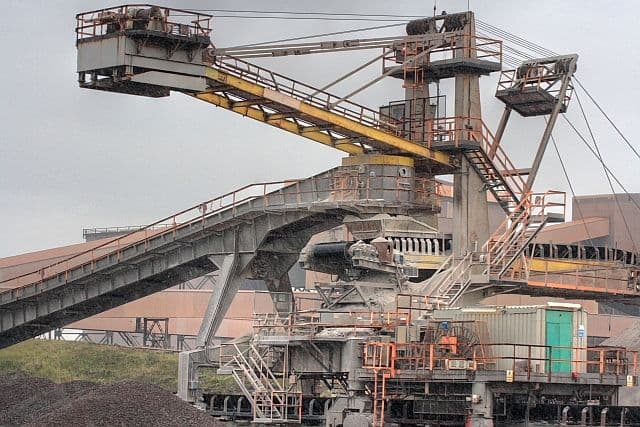
Material route
Ore and coke receival
Stockhouse and blending
Sinter and blast furnace feed
Slag and return fines
Service priorities
Raw-material handling, mechanical maintenance, production planning, reliability and specialist contractors
Record loading-zone, liner, skirting, cover and splice condition against the raw-material duty.
Carry permits, access limits and required PPE with the job from planning to sign-off.
Make open work visible against the stockhouse, sinter or furnace-feed route it can constrain.
Give the incoming team a clear record of isolation, work status, evidence and return-to-service state.
Conveyor and belt records
Keep conveyor assets, belt construction, splice history, inspection findings and completed maintenance evidence connected to the route they support.
Start with one stockhouse or furnace-feed route and use one planned belt repair to agree the evidence and handover standard across shifts.
Related BeltLabs solutions
Built for Steel
Create a workspace around the operation you manage. The guided setup helps authorised customers configure their own records after sign-up.