
Vessel-driven windows
Keep approved work ready to move when berth, route and product schedules create access.
Industry 04 / 09
Receival, stockyards, stacker-reclaimers, ship loaders and transfer systems
BeltLabs for Ports & terminals
Bulk terminals coordinate vessel windows, yard routes, rail or road receival and shared mobile machines. BeltLabs keeps route-critical conveyors, stacker-reclaimers and ship-loader belts connected to planned access, contractors, evidence and handover.
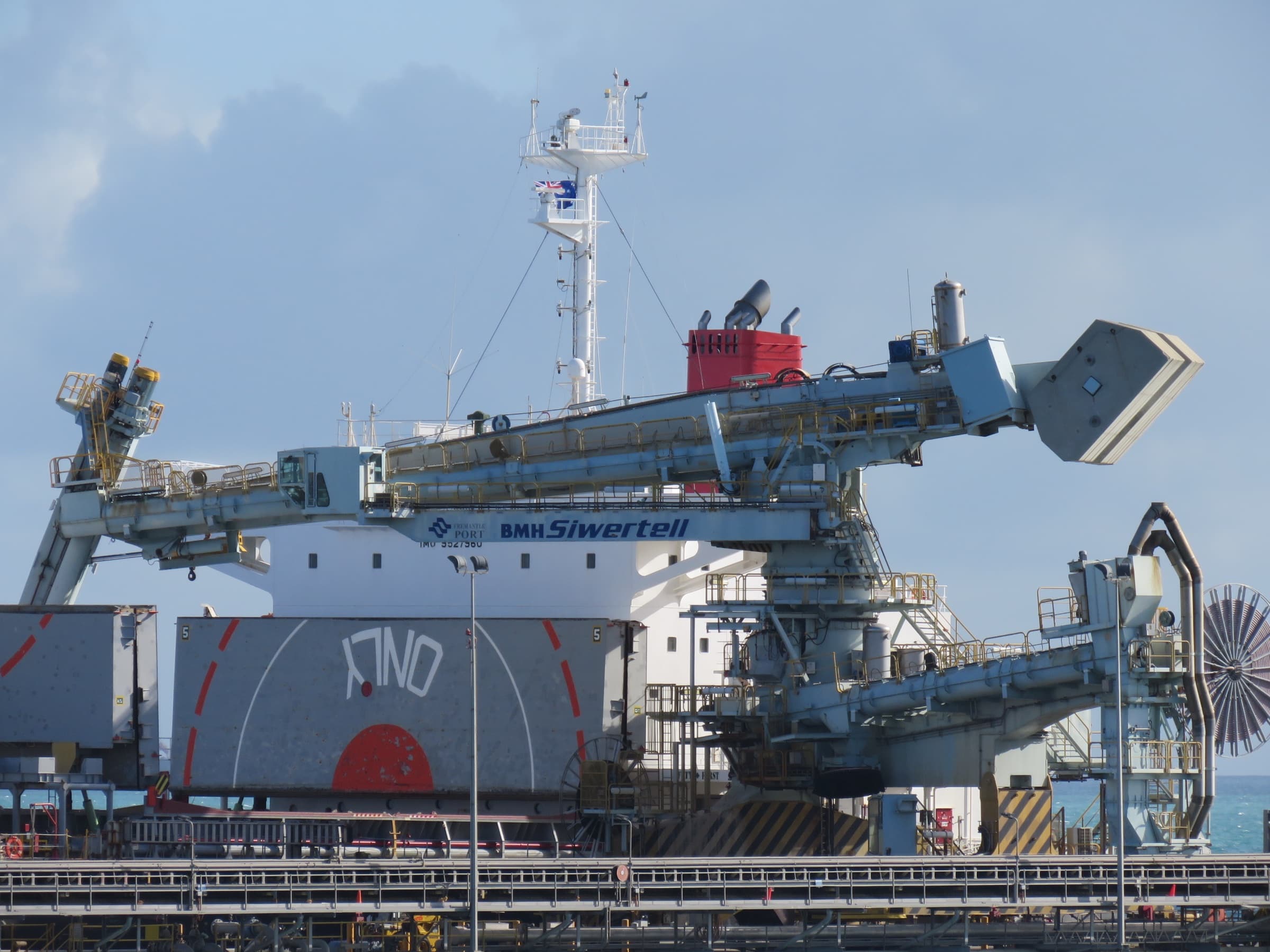
Material route
Rail or road receival
Transfer towers
Stockyard machines
Ship loader
Service priorities
Terminal maintenance, operations planners, marine scheduling, reliability and service contractors
Keep approved work ready to move when berth, route and product schedules create access.
Show which conveyor, transfer or mobile machine is affected and who owns the next action.
Record structural, idler, pulley, cover and splice findings with dates and field evidence.
Return work packs, photos and sign-off to terminal teams before the route returns to operation.
Conveyor and belt records
Keep conveyor assets, belt construction, splice history, inspection findings and completed maintenance evidence connected to the route they support.
Map one berth route from receival to ship loader, then run one planned inspection or repair through access approval and handback.
Related BeltLabs solutions
Built for Ports
Create a workspace around the operation you manage. The guided setup helps authorised customers configure their own records after sign-up.