
Different material duties
Keep belt construction and inspection criteria tied to limestone, clinker, additives or finished cement service.
Industry 03 / 09
Integrated cement plants, grinding stations and terminals
BeltLabs for Cement
A cement plant moves limestone, raw meal, clinker, gypsum, additives and finished product through different conveyor environments. BeltLabs keeps each route distinct so abrasive duty, enclosed sections, hot material exposure and shutdown work are recorded against the correct asset.
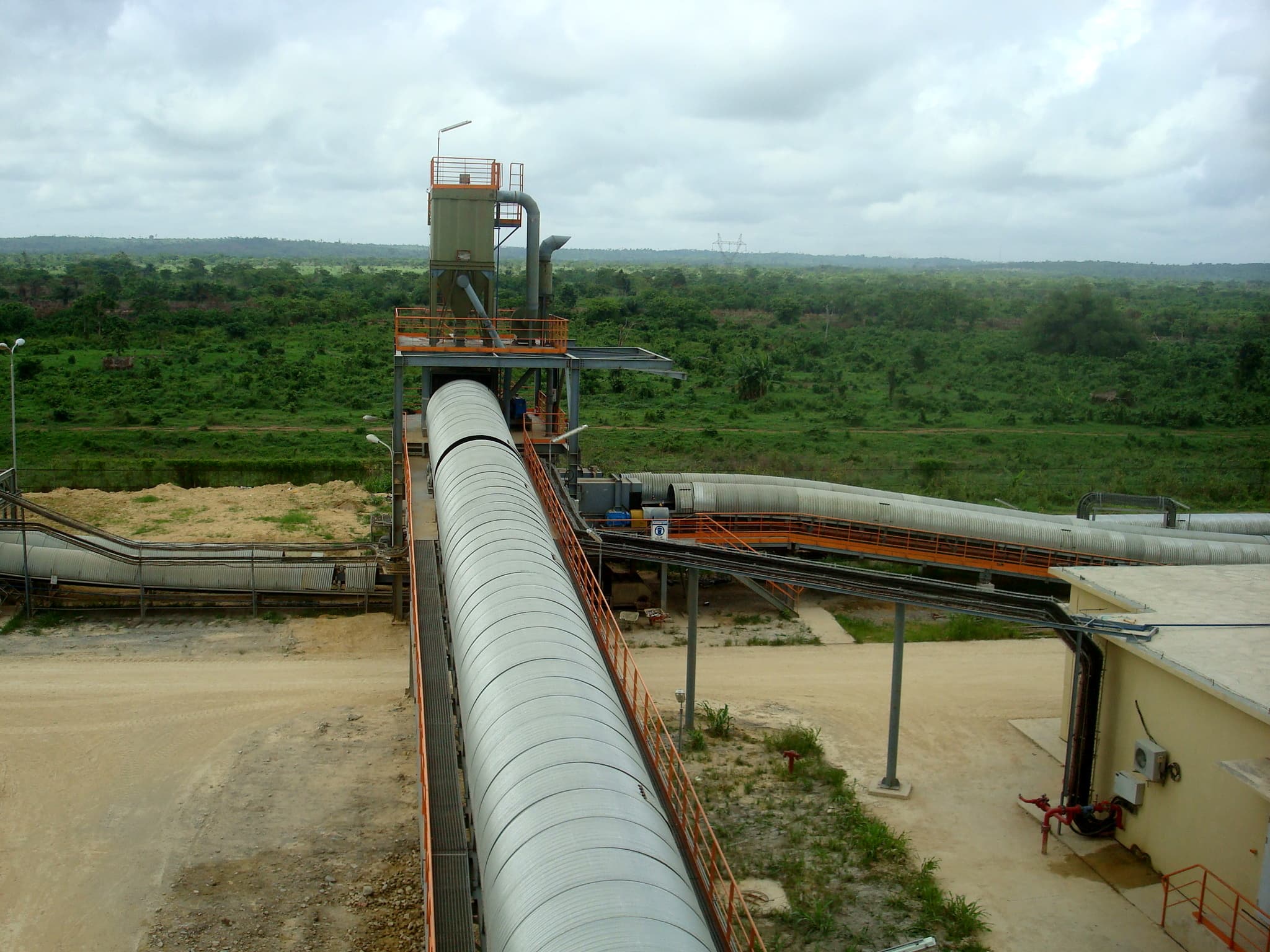
Material route
Quarry and crusher
Raw mill feed
Clinker and gypsum
Cement storage and dispatch
Service priorities
Mechanical maintenance, shutdown planners, reliability engineers and specialist belt contractors
Keep belt construction and inspection criteria tied to limestone, clinker, additives or finished cement service.
Record covers, splices, lagging, skirting and cleaner condition with the route and inspection date.
Stage specialist crews, consumables and permits against kiln, mill and terminal shutdown plans.
Retain access requirements, enclosed-conveyor photos and completed corrective actions with the job.
Conveyor and belt records
Keep conveyor assets, belt construction, splice history, inspection findings and completed maintenance evidence connected to the route they support.
Load one clinker or raw-feed route, confirm its belt specifications, then prepare and close one outage job with the required QA record.
Related BeltLabs solutions
Built for Cement
Create a workspace around the operation you manage. The guided setup helps authorised customers configure their own records after sign-up.