
Conveyor belt inspection checklist for field teams
A practical conveyor belt inspection checklist covering belt condition, splices, tracking, loading zones, cleaners, pulleys, safety observations and corrective work.
7 minute read · Updated September 6, 2026
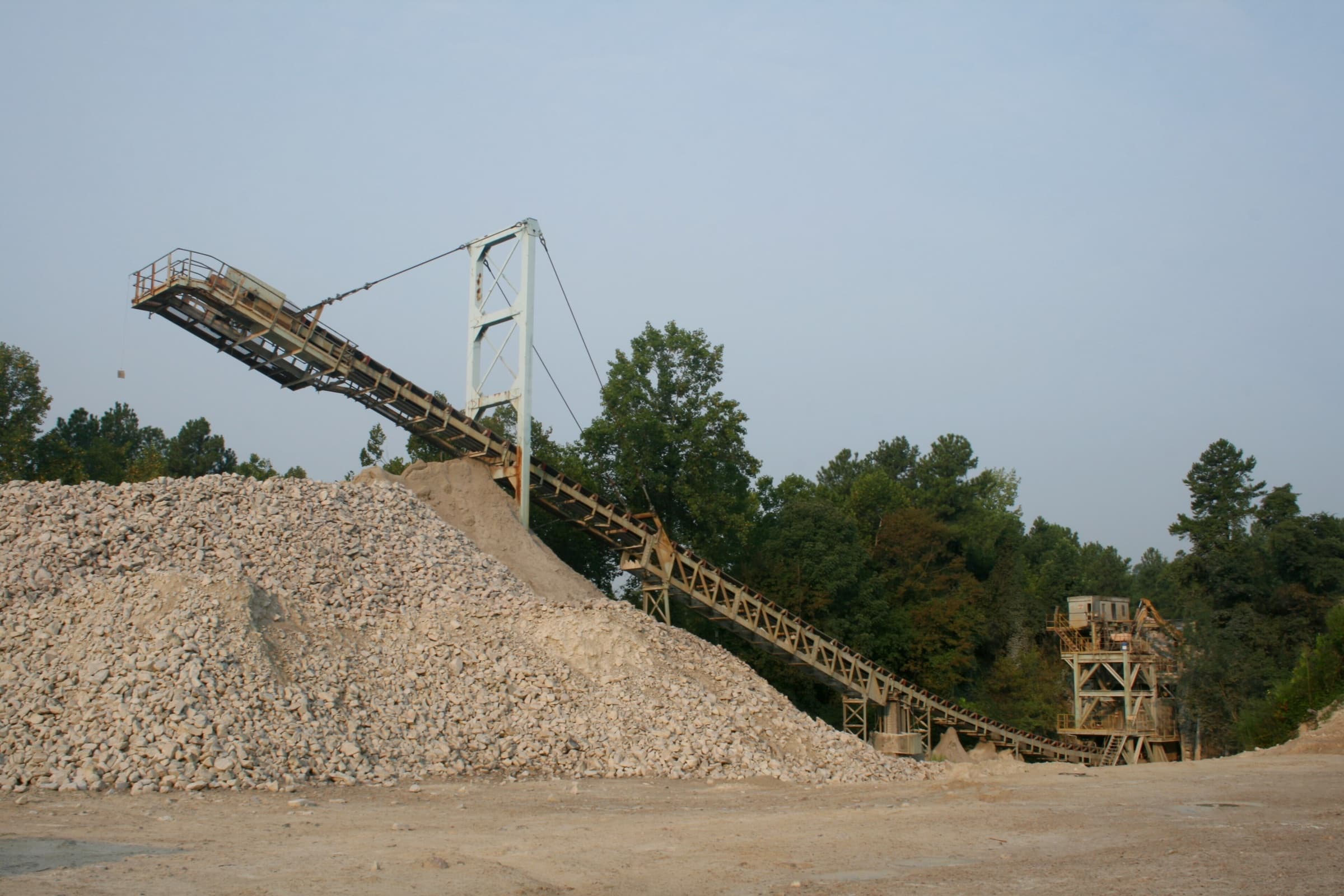
A useful belt inspection produces an actionable condition record. The checklist should guide a competent person through the route, preserve evidence against the correct asset and separate an observation from an approved maintenance decision.
01
Confirm the asset and operating context
Record the site, route, conveyor code, material duty, inspection date, operating state and inspector before documenting condition. If the belt is running, follow the site's access and observation rules. If intrusive inspection is required, use the applicable isolation and permit process.
The record should distinguish what was directly observed from information supplied by another person or system.
- Asset code and route
- Running, stopped or isolated state
- Load and weather context
- Inspector and inspection scope
02
Inspect the belt and splices
Review visible belt surfaces and edges for cover damage, cuts, gouges, cracking, contamination, edge wear and signs of carcass exposure. Check accessible splice areas for separation, lifting, fastener condition or other changes appropriate to the splice construction.
Use consistent locations or belt-position references so later inspections can compare the same area.
- Carry and pulley cover condition
- Edges and visible carcass
- Splice condition and identification
- Repair areas and recurring damage
03
Review the conveyor components
Condition at the belt often reflects the surrounding conveyor. Record tracking, loading, skirting, cleaners, idlers, pulleys, take-up and material buildup where these can be observed safely.
Photographs should show enough context to identify the component and enough detail to support the finding. Avoid relying on an unexplained close-up.
- Tracking and edge clearance
- Loading-zone impact and sealing
- Cleaner contact and carryback
- Idler, pulley and take-up observations
04
Turn findings into controlled work
Assign each finding a defined severity, responsible owner and next action. The inspection itself should not silently create or close maintenance work. A reviewer should confirm the response, priority and required operating controls.
Close the loop by linking the resulting work order and completion evidence back to the original finding.
- Severity and operational consequence
- Immediate controls where authorised
- Planned action, owner and due date
- Completion evidence and review
Continue